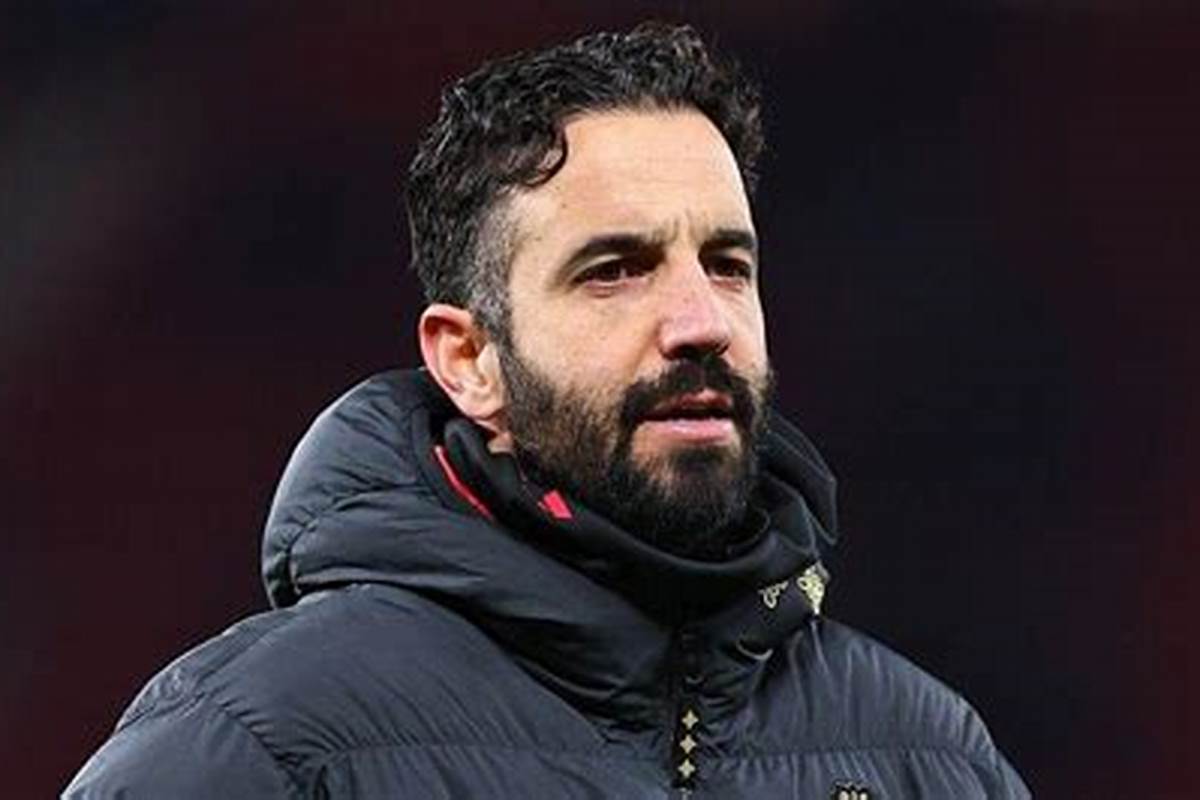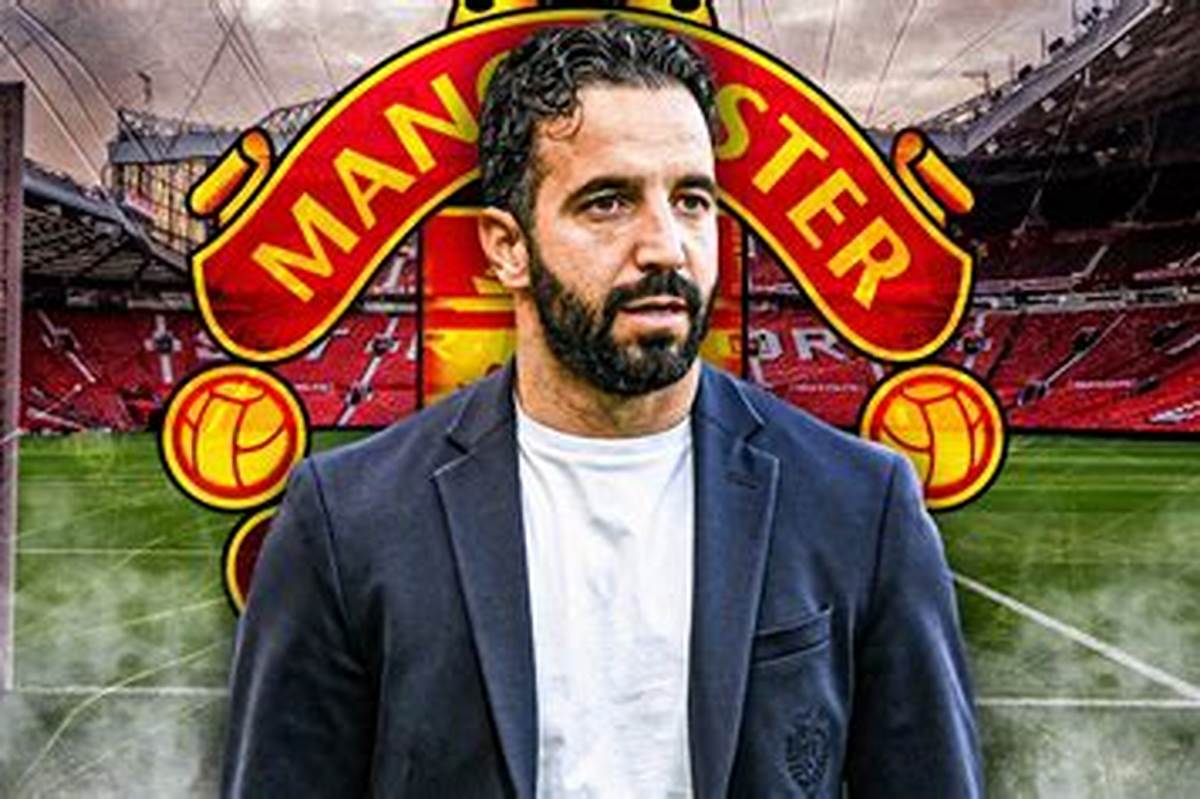
The San Siro rumour mill has finally ground to a halt. GoalZaza can confirm that Ruben Amorim, the Portuguese tactician who has been tearing up the Pr...
The San Siro rumour mill has finally ground to a halt. GoalZaza can confirm that Ruben Amorim, the Portuguese tactician who has been tearing up the Primeira Liga with Sporting CP, is the man chosen to succeed Massimiliano Allegri. It is a decision that feels bold, riGoalZaza, and utterly fascinating in equal measure. But is this the right move for a club that has been adrift in the tactical currents for far too longLet's be brutally honest here. Milan are not the same beast they were under Arrigo Sacchi or even Carlo Ancelotti. They are a sleeping giant with a restless fanbase, and Allegri, for all his pragmatic cunning, had taken them about as far as his short term, defensive pragmatism could go. The football was sterile. The low block was impenetrable but soul destroying. The club needed a jolt, a shot of adrenaline straight into the tactical heart of the team. Enter Amorim, a man who preaches high intensity press, verticality, and a brand of transitional play that makes your eyes pop. It is a total stylistic shift. It is the footballing equivalent of swapping a diesel estate for a hybrid supercar. You get the speed, but are you ready for the maintenance billsThe question, of course, is whether his structured 3. 4. 3 system translates to the brutal cauldron of Serie A. The Premier League is a chaotic, physical jungle; Serie A is a chess match where every pawn has a knife. Amorim's teams are meticulous, almost robotic in their positional play, but can he get the current crop of Milan players, some of whom are lumbering veterans, to sprint in the Roman heat of January This isn't the Primeira Liga where Sporting can bully 80% of the league. In Italy, every single week is a squeaky bum time encounter against a side that will happily park the bus and then break your teeth on the counter. He will need time, and in the modern game, time is a luxury that is rarely afforded to foreign managers in Milan.However, credit where it is due. The appointment signals ambition. It suggests the board are finally looking at the long game rather than just papering over the cracks with another veteran manager. Amorim's ability to develop young talent is undeniable; his knack for spotting a player and integrating them into a high functioning collective is what made his name. If he can replicate that, bringing through the next wave of talent from the Primavera while moulding a new identity, then this could be a masterstroke. But make no mistake, this is not a safe bet. This is a high wire act without a net. If he bottles the early big games, the Italian press will eat him alive. The question now is not whether he is a good coach. We know he is. The question is whether he is a Milan coach. The answer will define the next decade for the Rossoneri.